
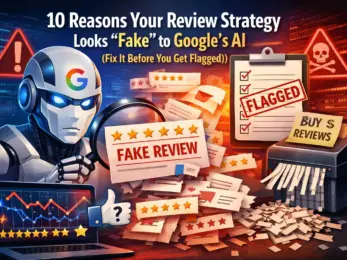
Google's AI just got a whole lot smarter in 2026. And if your review collection strategy has any shady patterns: even unintentional ones: you could wake up to find your reviews removed, your profile flagged, and your local SEO tanking overnight.
Here's the thing: Google doesn't look at individual reviews anymore. It analyzes patterns across your entire profile, comparing your review behavior to millions of other businesses. If something looks off, the AI flags it. No warning. No second chance.
Let's walk through the 10 biggest red flags that make Google's AI think your reviews are fake: and how to fix them before it's too late.

1. Sudden Spike in Five-Star Reviews
If you suddenly go from getting 2-3 reviews a month to 15 reviews in one week, Google notices. Hard.
The AI is trained to detect abnormal spikes that don't match your historical pattern. A restaurant that's been open for two years and suddenly gets 20 glowing reviews in three days? That screams coordinated campaign.
The fix: Spread your review requests naturally over time. If you had a great month, it's fine to see a small uptick. But don't blast 100 customers at once asking for reviews.
2. Identical or Copy-Paste Reviews
When multiple reviewers post nearly identical text: "Great service! Highly recommend!": Google's natural language processing catches it instantly.
The AI compares sentence structure, word choice, and phrasing across all your reviews. If five different people use the exact phrase "went above and beyond," it raises a flag.
The fix: Never give customers a template to copy. Ask them to describe their specific experience in their own words. Real reviews have variety: typos, slang, different levels of detail.
3. Everyone Writes Like a Marketing Team
If all your reviews sound professionally written with perfect grammar, consistent tone, and the same enthusiastic energy, Google knows something's up.
Real customers don't all write the same way. Some use emojis. Some don't capitalize. Some write novels, others leave two sentences. If your reviews all read like they came from the same person's keyboard, you're getting flagged.
The fix: Encourage authentic, unedited responses. The messier and more varied your reviews look, the more real they appear to Google's AI.

4. Generic Praise Without Specifics
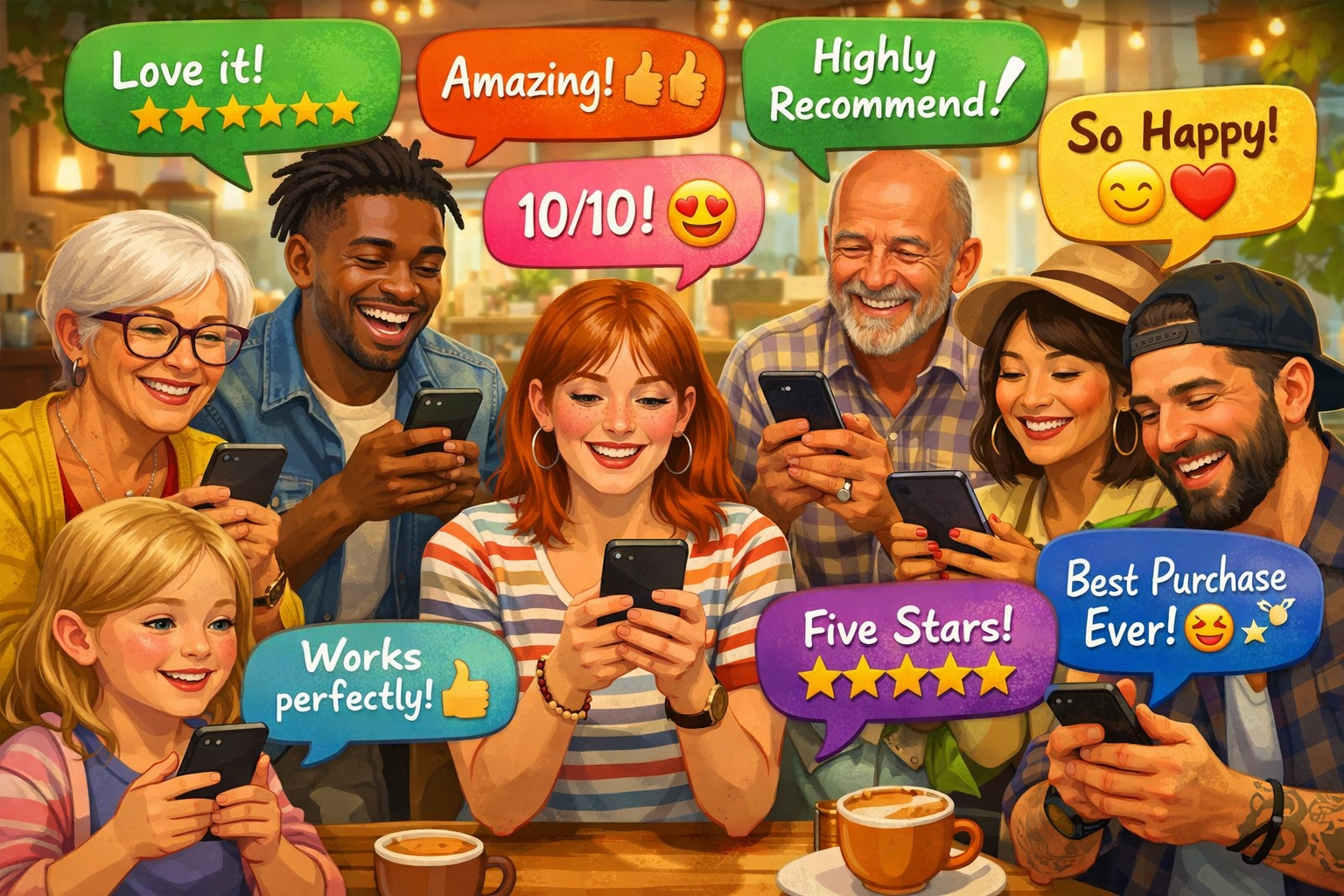
"Perfect service!" "Best experience ever!" "Five stars all the way!"
These vague, empty reviews are classic AI-generated filler. Google's algorithm specifically looks for detailed, specific mentions: staff names, particular products, actual experiences.
The fix: When asking for reviews, prompt customers to mention what they loved. "Tell us about your favorite dish" or "Who on our team made your visit great?" helps people get specific.
5. Overuse of AI Clichés
Certain phrases are dead giveaways that a review was AI-generated or heavily templated:
- "The first thing that struck me..."
- "Game-changer"
- "Delivers on its promise"
- "Exceeded expectations"
- "Spot-on"
Google's trained its AI to recognize these patterns. If multiple reviews use the same buzzwords, you're toast.
The fix: Let customers use their own language. Don't suggest phrases or provide examples they might copy.
6. Reviewers Who Were Never There
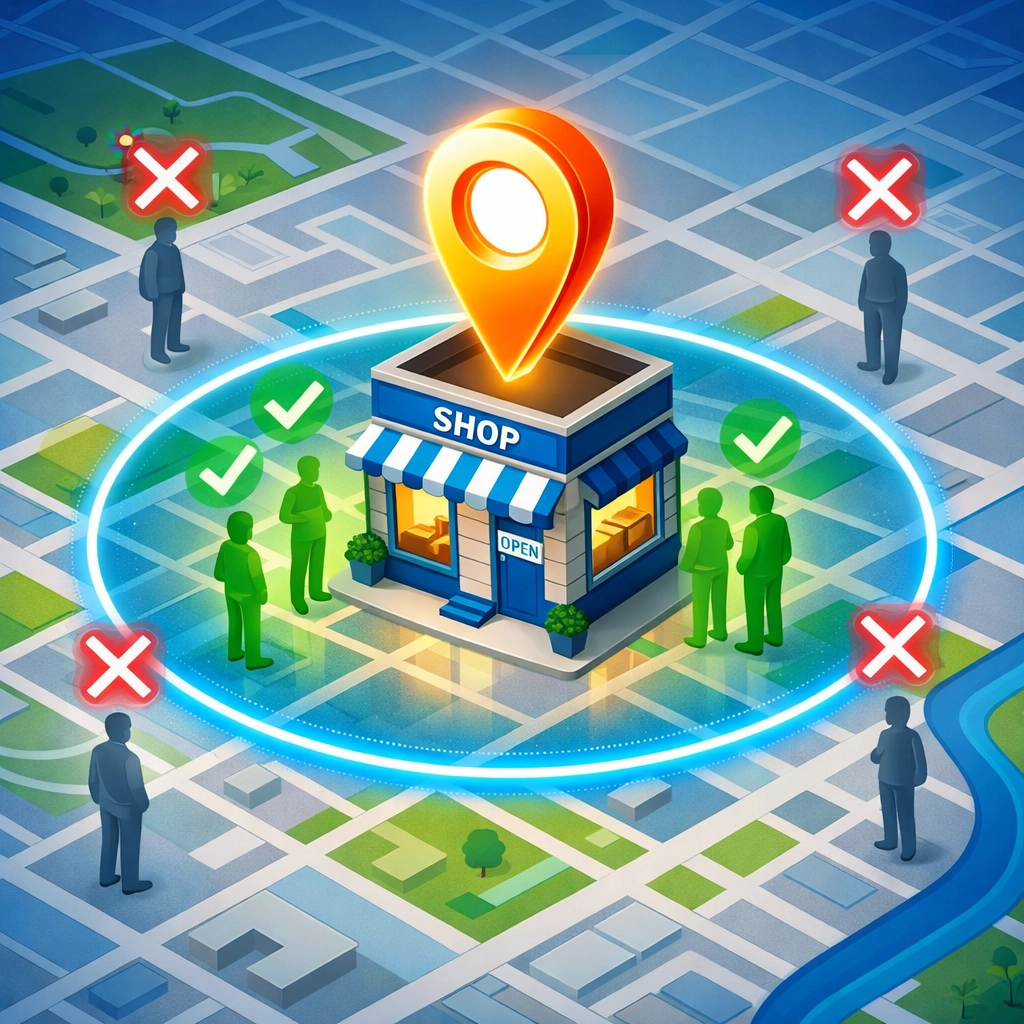
Google tracks location data. If someone leaves a review claiming they visited your physical store, but their device was never within 50 miles of your address, Google knows.
This is how the AI catches paid review services that hire remote reviewers to write fake testimonials.
The fix: Only request reviews from customers who actually visited your business. Use email or SMS follow-ups after confirmed purchases or appointments.
7. Multiple Reviews from the Same Network
If you ask five employees to leave reviews from your office Wi-Fi, Google sees five reviews coming from the same IP address and device network. Major red flag.
Same goes for hiring a service where one person creates multiple Google accounts to post reviews. The AI tracks device fingerprints and network patterns.
The fix: Never have staff post reviews from your business location. Only request reviews from real customers on their own devices and networks.
8. Suspicious Business Profile Changes
Here's a weird one: Google flags businesses that make illogical category changes right around the same time they get review spikes.
For example, changing your business category from "Cafe" to "Plumber" and then getting 15 five-star reviews in a week makes Google think you're trying to manipulate search rankings.
The fix: Keep your business information accurate and stable. Only make legitimate edits that reflect real changes to your business.
9. Reviewers with Sketchy Profiles
Google analyzes the reviewers themselves. If someone's account shows signs of being part of a spam network: posting reviews for random, unrelated businesses in different cities: their reviews get discounted or removed.
If multiple reviews on your profile come from accounts like this, your entire profile gets scrutinized.
The fix: You can't control who leaves reviews, but you can control how you request them. Stick to verified customers who have established Google accounts with normal activity patterns.
10. Incentivized or Conditional Reviews
"Leave us a five-star review and get 10% off your next visit!"
Google's AI is trained to detect when businesses offer incentives tied to positive ratings. Same goes for suppressing negative reviews by asking unhappy customers to "reach out privately instead of leaving a review."
The fix: It's okay to ask for honest feedback. It's not okay to condition rewards on star ratings or sentiment. Request reviews from happy customers, but never promise anything in return.

Getting Flagged Is a Local SEO Death Sentence
Here's why this matters so much: When Google flags your profile or removes reviews, your local search ranking plummets. You disappear from "near me" searches. Competitors leapfrog you. And rebuilding trust with Google's AI takes months: sometimes longer.
The businesses that get hit hardest are the ones that didn't even realize they were doing anything wrong. They hired a sketchy review service, asked employees for help, or used templates that sounded "professional." None of it was malicious, but Google's AI doesn't care about intent. It only cares about patterns.
How to Stay Safe
The safest approach? Automate your review requests the right way. Brand Defender helps businesses collect authentic reviews by sending natural, well-timed requests to real customers after verified interactions. No templates. No pressure. No suspicious patterns.
The system spaces out requests, personalizes messages, and helps you respond to reviews in ways that look genuinely human. Because that's what Google's AI is looking for: real human behavior, not robotic patterns.
If you're not sure whether your current review strategy passes Google's sniff test, it's worth getting a second look. The cost of getting flagged is way higher than the cost of doing it right from the start.
The Bottom Line
Google's AI isn't trying to punish businesses. It's trying to protect customers from fake reviews and manipulated ratings. But if your review collection process has any of these 10 red flags: even unintentionally: you're risking everything you've built.
Stick to authentic requests. Space them naturally. Let customers write in their own voice. And never, ever try to game the system with templates, incentives, or suspicious tactics.
Your local SEO depends on it.