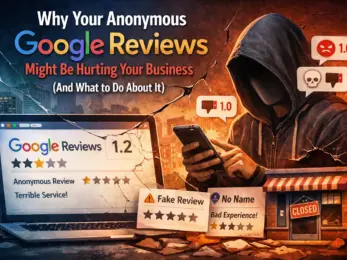
Let's say you're searching for a new dentist. You pull up Google Maps, find a practice with solid ratings, and start reading the reviews. The first three say things like "Great experience!" and "Very professional!" , but they're all from "Google User." No profile picture. No name. Nothing.
Do you trust them? Probably not as much as you'd trust a review from "Sarah M." with a photo and a detailed story about her root canal.
That's the problem we're seeing in 2026. Google now allows more anonymous reviews than ever before, and while that might seem harmless (or even helpful for getting more feedback), it's creating some unexpected challenges for businesses trying to build trust online.
The Trust Gap Is Real
Here's the thing: people are getting smarter about online reviews. We've all been burned by fake five-star ratings on sketchy products, and we've learned to look for signs that a review is legitimate.
Anonymous reviews don't pass that test.
When a potential customer sees "Google User" instead of a real name, their brain immediately starts asking questions: Why is this person hiding? Did the business owner write this themselves? Is this even a real customer?
It's not that anonymous reviews are always fake , they're usually not. But they feel less trustworthy, and in the world of online reputation, perception is everything.
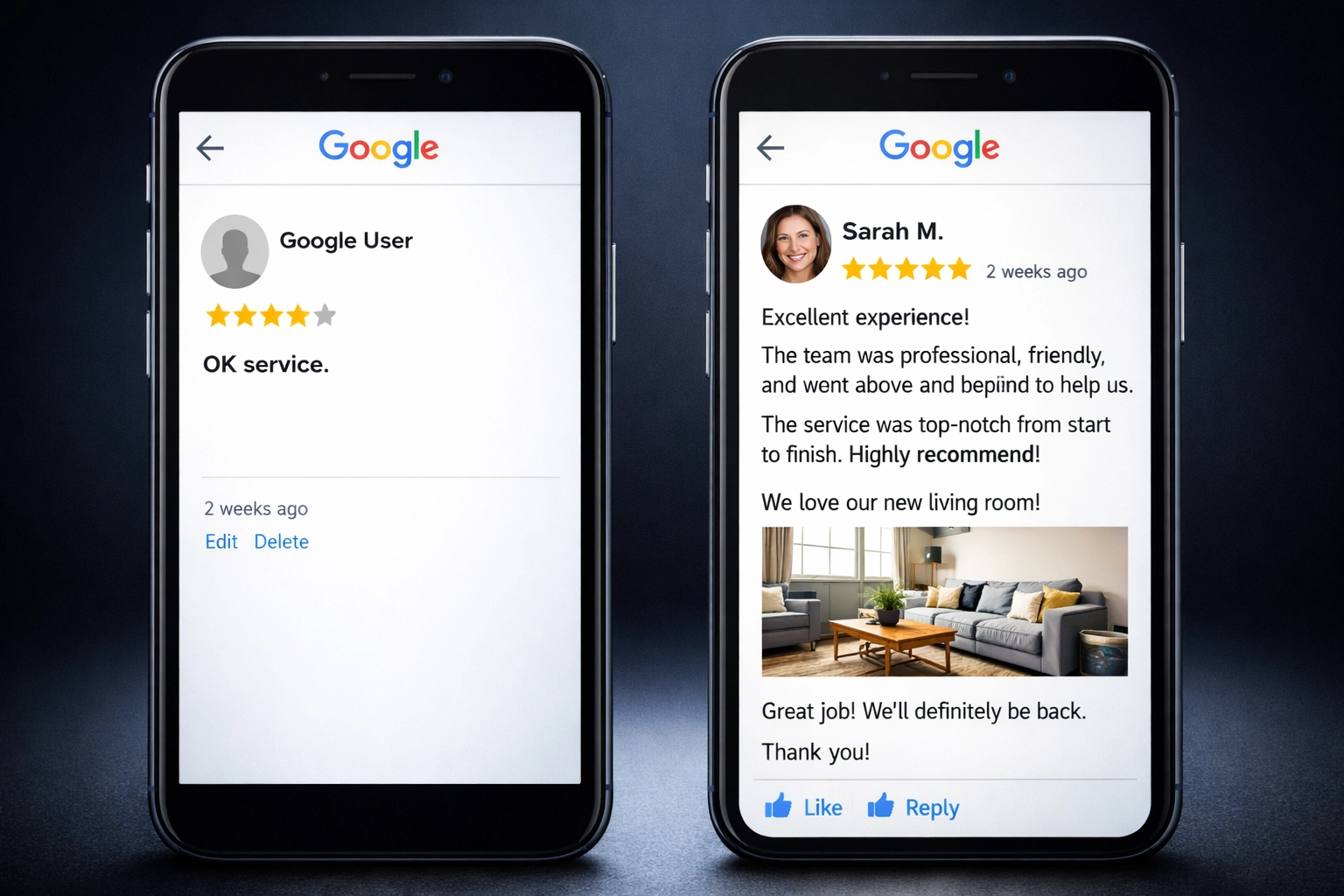
Think about that local Italian restaurant down the street. If they have 50 reviews and 30 of them are anonymous, people start wondering what's going on. Compare that to the place across town where most reviews come from identifiable people with photos and detailed stories , which one are you more likely to try?
The research backs this up. When people feel anonymous, they're often more willing to be blunt or emotional in their feedback. That means you might see more honest criticism, but you also lose the credibility that comes from someone putting their name behind their opinion.
How Google's AI Actually Works in 2026
Google's recommendation system , especially the AI-powered Search Generative Experience (SGE) , has gotten incredibly sophisticated. And here's what most business owners don't realize: not all reviews are weighted equally.
Google's algorithms now prioritize:
- Verified reviews from accounts with established history
- Detailed reviews with specific information and context
- Reviews from local guides who consistently contribute quality feedback
- Reviews with photos that show actual experiences
Anonymous reviews don't check many of those boxes. They typically lack the verification signals that Google's AI uses to determine which businesses to recommend. So even if you have a bunch of five-star anonymous reviews, they're not helping your visibility as much as fewer reviews from verified, named customers.
Let's break this down with a real example. Imagine you run a dental practice and you have two scenarios:
Scenario A: 20 reviews, 15 of them anonymous, average 4.8 stars
Scenario B: 15 reviews, all from verified accounts with names and details, average 4.6 stars
Which practice do you think Google's AI recommends first? Scenario B wins almost every time, even with the slightly lower rating. The AI trusts verified feedback more because it can trace those reviews to real user behavior across Google's entire ecosystem.
The Social Media Problem
Here's another issue that doesn't get talked about enough: you can't really promote anonymous reviews on social media.
Think about it. When you get a great review from "Jessica R." who says your team went above and beyond to fix her emergency plumbing issue, you can screenshot that, thank her by name, and share it on Facebook or Instagram. It feels personal and authentic.
But when "Google User" leaves a similar review? It's awkward to promote. There's no person to thank. No story to tell. No social proof that actually proves anything.
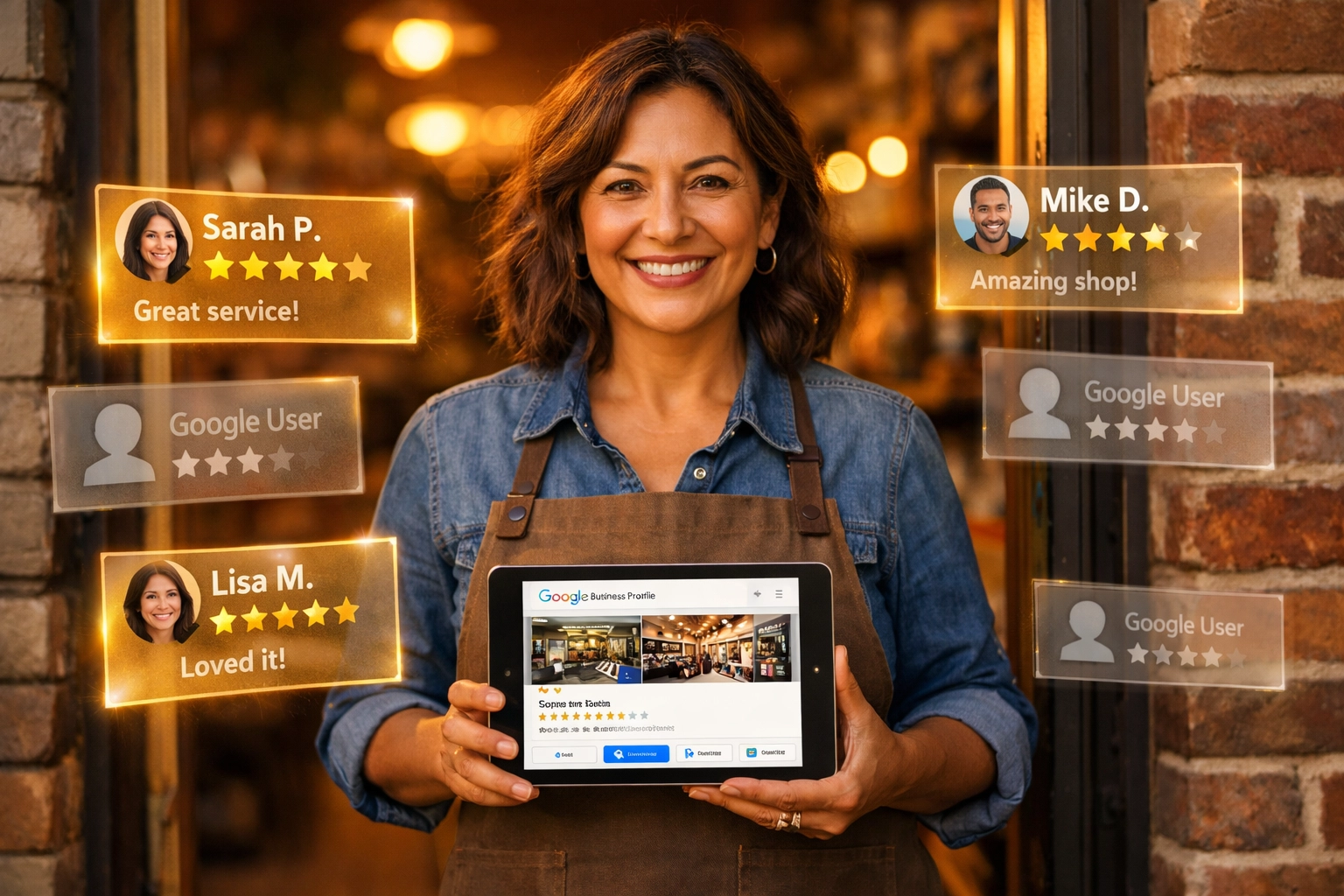
This matters because social media is where modern businesses build relationships and trust. Your Google reviews shouldn't just sit on Google , they should be part of your broader marketing strategy. Anonymous reviews make that nearly impossible.
Why This Matters More Than You Think
The impact of anonymous reviews goes deeper than most business owners realize. Here's what we're seeing in 2026:
Customer Decision-Making Has Changed
People don't just look at your star rating anymore. They dig into your reviews, looking for patterns and authenticity. A wall of anonymous reviews raises red flags, even if every single one is legitimate.
Local SEO Is Getting Tougher
With more businesses competing for the same local searches, the quality of your reviews matters more than ever. Anonymous reviews simply don't carry the same weight in Google's ranking algorithms.
Review Velocity Still Matters, But So Does Verification
Sure, getting consistent reviews is important (we've written about that before). But if those reviews are all anonymous, you're missing out on the full SEO benefit.
Your Competitors Are Figuring This Out
Smart businesses are already adapting their review strategies to prioritize verified, detailed feedback from real people. If you're still collecting mostly anonymous reviews, you're falling behind.
What You Should Do About It
Okay, enough about the problem. Let's talk solutions.
Update Your Review Request Strategy
When you ask customers for reviews, make it clear that using their real name helps your business more. You don't have to be pushy about it : just be honest. Something like: "If you're comfortable using your real name, it helps other customers trust us more!"
Most people don't mind. They just need to understand why it matters.
Monitor Your Review Profile
Take a look at your current reviews. What percentage are anonymous? If it's more than 30-40%, that's something to address. You want a healthy mix that leans toward verified, named reviews.
Focus on Getting Better Reviews, Not Just More
Instead of blasting review requests to everyone, focus on asking your happiest customers : the ones who had great experiences and are likely to leave detailed, positive feedback with their real names attached.
Make It Easy and Natural
The best time to ask for a review is right after you've delivered great service. Don't wait until the moment has passed. If you just helped a customer solve a problem, that's when they're most likely to leave an enthusiastic, detailed review.
Turn Good Reviews Into Content
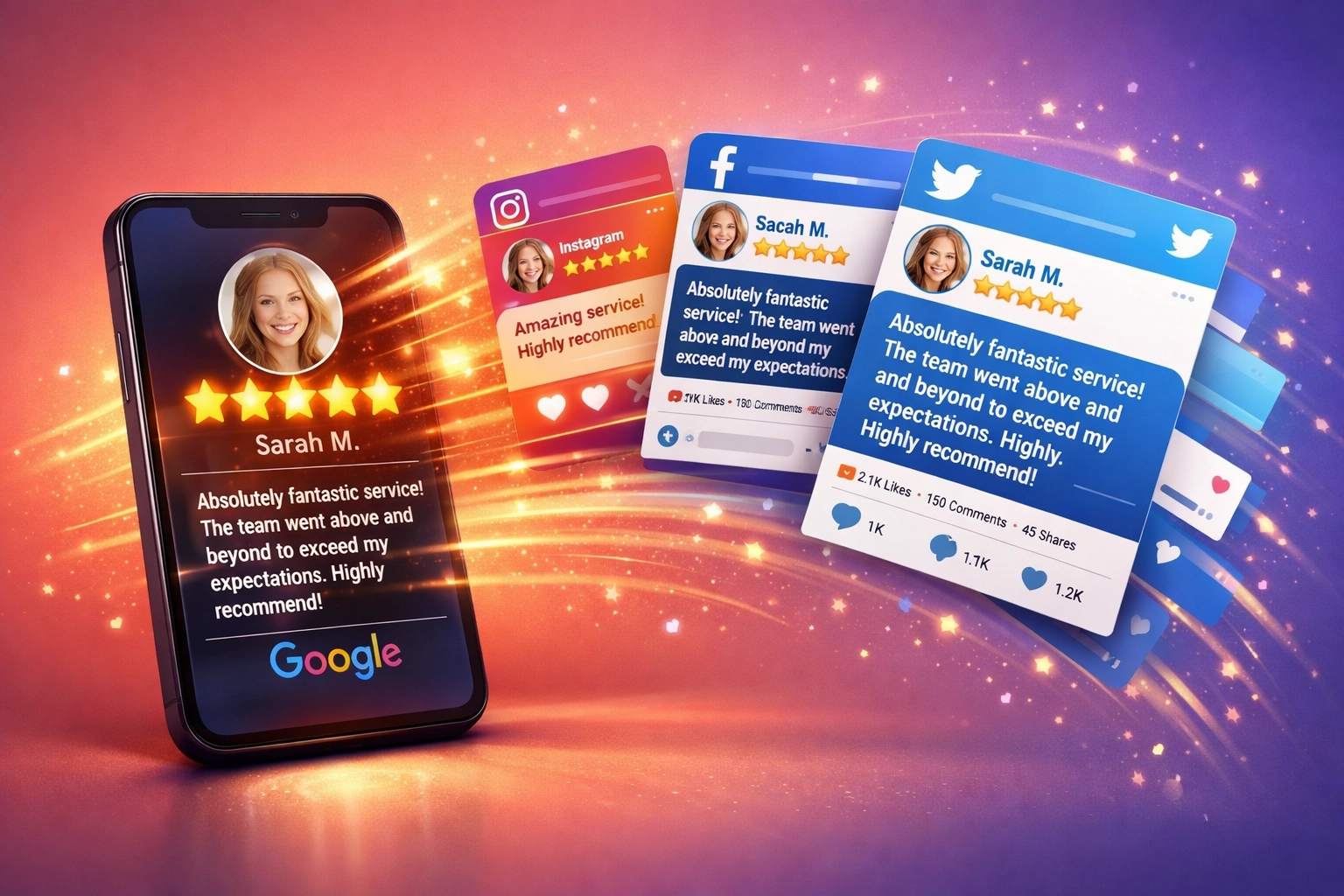
When you get a great review from a real person, use it! Share it on social media, thank the reviewer, and show potential customers that real people trust your business. This creates a positive feedback loop : when people see you celebrating your customers, they're more likely to leave their own reviews.
How Brand Defender Helps
This is exactly why we built Brand Defender the way we did. We don't just help you collect more reviews : we help you get the right kind of reviews. The verified, detailed feedback that actually builds trust and helps your SEO.
Our system makes it easy for your happiest customers to leave genuine reviews without any pressure or awkwardness. We focus on quality over quantity, helping you build a review profile that Google's AI loves and customers trust.
Plus, we help you turn those great reviews into social media content that actually gets shared. Because your best reviews deserve more than just sitting on your Google Business Profile : they should be working for you across every platform.
The Bottom Line
Anonymous reviews aren't going away, and that's okay. They serve a purpose, and some customers will always prefer privacy. But if your review profile is dominated by anonymous feedback, you're leaving money on the table.
The businesses that win in 2026 are the ones that understand what Google's AI is looking for and what customers actually trust. And that means focusing on verified, detailed reviews from real people with real names.
It's not about gaming the system or faking anything. It's about being intentional with how you ask for feedback and making it easy for your happy customers to share their experiences in a way that actually helps your business grow.
Start paying attention to your review profile today. Look at the ratio of anonymous to verified reviews. Check how detailed your recent feedback is. And if you need help building a review strategy that actually works in 2026, that's exactly what we're here for.
Your reputation is too important to leave to chance.